
 FSA/HSA eligible
Best seller

Avery, Lena, Miles, Sam + 10,000 others joined RECO recovery
1-year warranty · 30-day returns · Ships in 3–5 business days
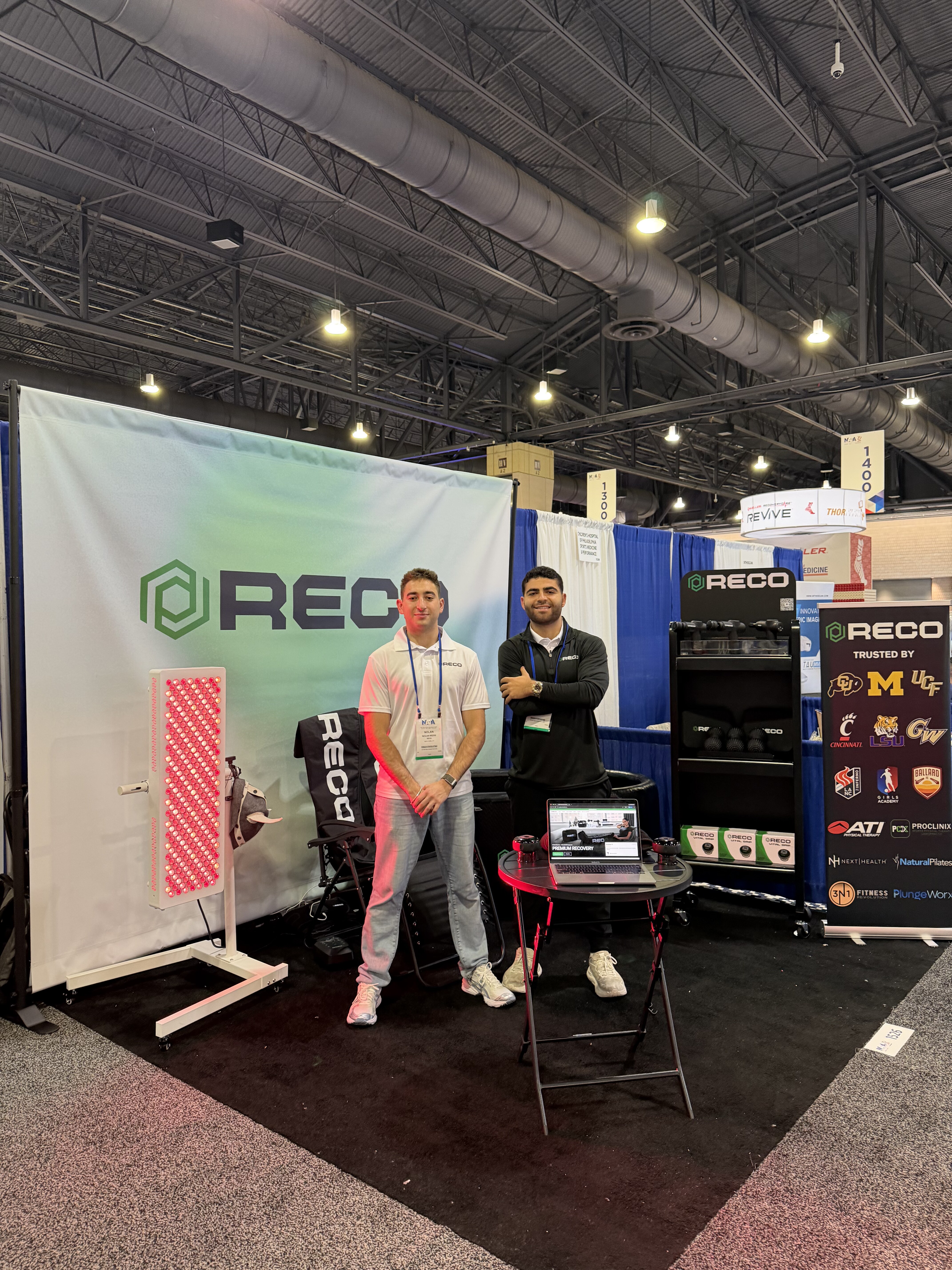
70+ University Locker Rooms













80+ Health & PT Clinics





100+ PROFESSIONAL ATHLETES









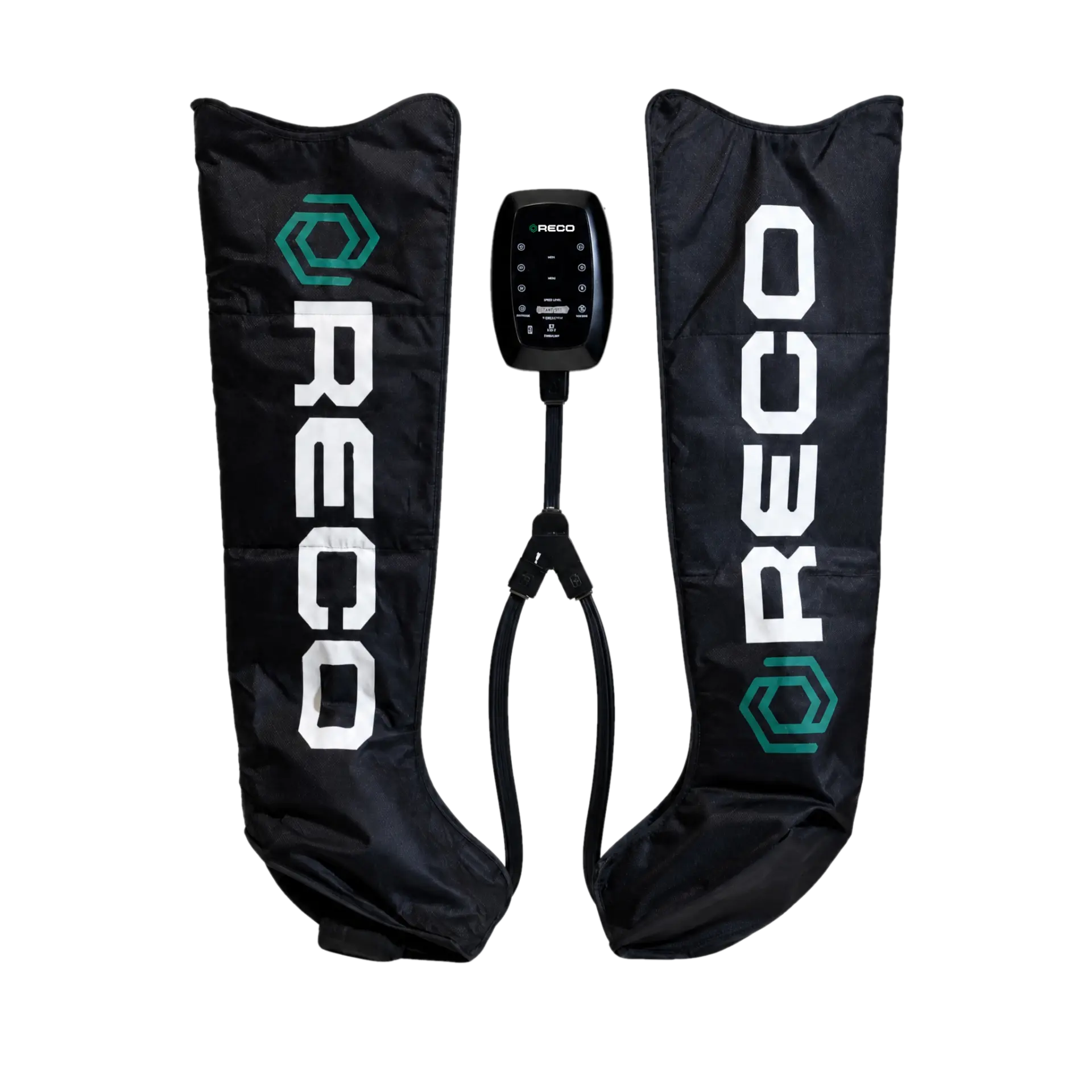
Sequential compression enhances blood circulation.
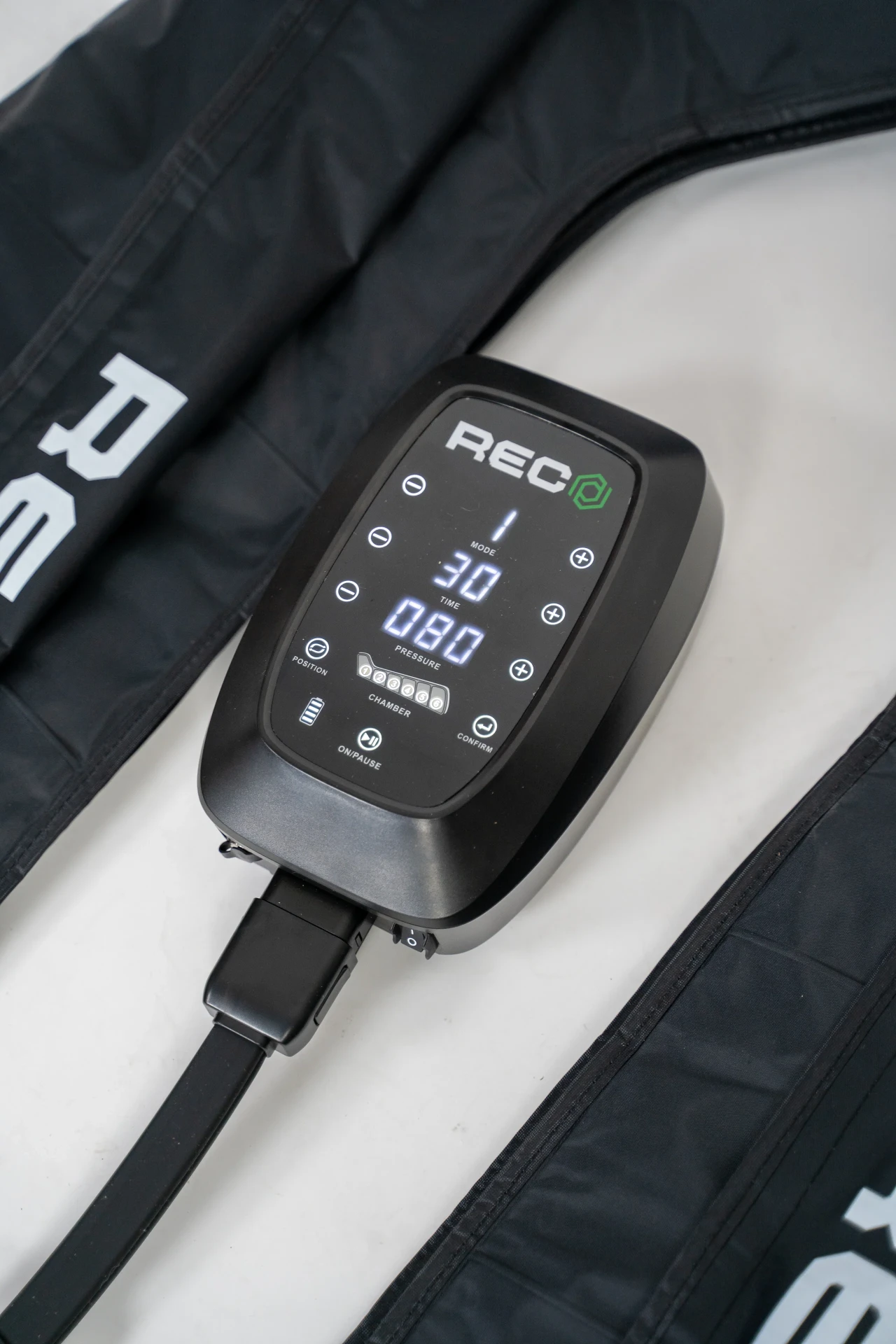
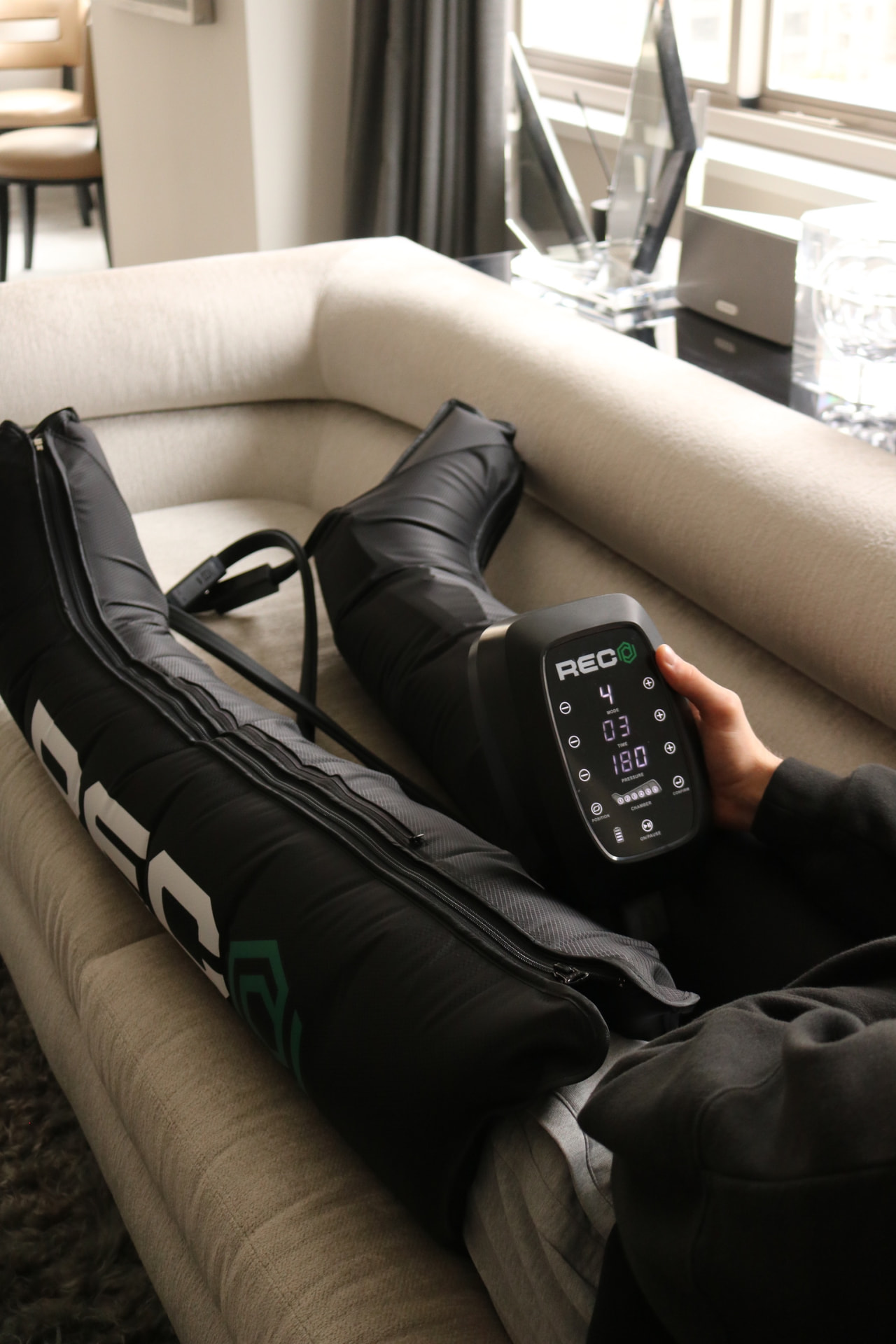
Each of the six chambers can be activated or deactivated on its own — turn any single zone off while the rest of the leg stays at full pressure.
Dial the pressure anywhere from a gentle 30 mmHg to a deep 260 mmHg.
Six modes change how the air moves through the chambers, from sequential wave patterns to focused holds across the foot, calf and thigh.
Increase in Blood Flow Velocity
Lower Blood Lactate During Recovery
Lower Muscular Fatigue
In a controlled study, sequential pneumatic compression increased venous blood flow velocity in the legs by an average of 107% over baseline in healthy adults, measured by Doppler ultrasound.
1. Flam E, Berry S, Coyle A, Dardik H, Raab L. “Blood-flow augmentation of intermittent pneumatic compression systems.” The American Journal of Surgery, 1996;171(3):312–315.
In a randomized crossover study, pneumatic compression produced blood lactate levels about 18% lower than sham treatment 35 minutes after intense exercise, suggesting enhanced lactate clearance during passive recovery.
2. Martin JS, Friedenreich ZD, Borges AR, Roberts MD. “Acute Effects of Peristaltic Pneumatic Compression on Repeated Anaerobic Exercise Performance and Blood Lactate Clearance.” Journal of Strength and Conditioning Research, 2015;29(10):2900–2906.
After a 161-km ultramarathon, runners who received just 20 minutes of sequential pneumatic compression reported approximately 13% lower overall muscular fatigue immediately post-treatment than runners who received passive rest.
3. Hoffman MD, Badowski N, Chin J, Stuempfle KJ. “A Randomized Controlled Trial of Massage and Pneumatic Compression for Ultramarathon Recovery.” Journal of Orthopaedic & Sports Physical Therapy, 2016;46(5):320–326.
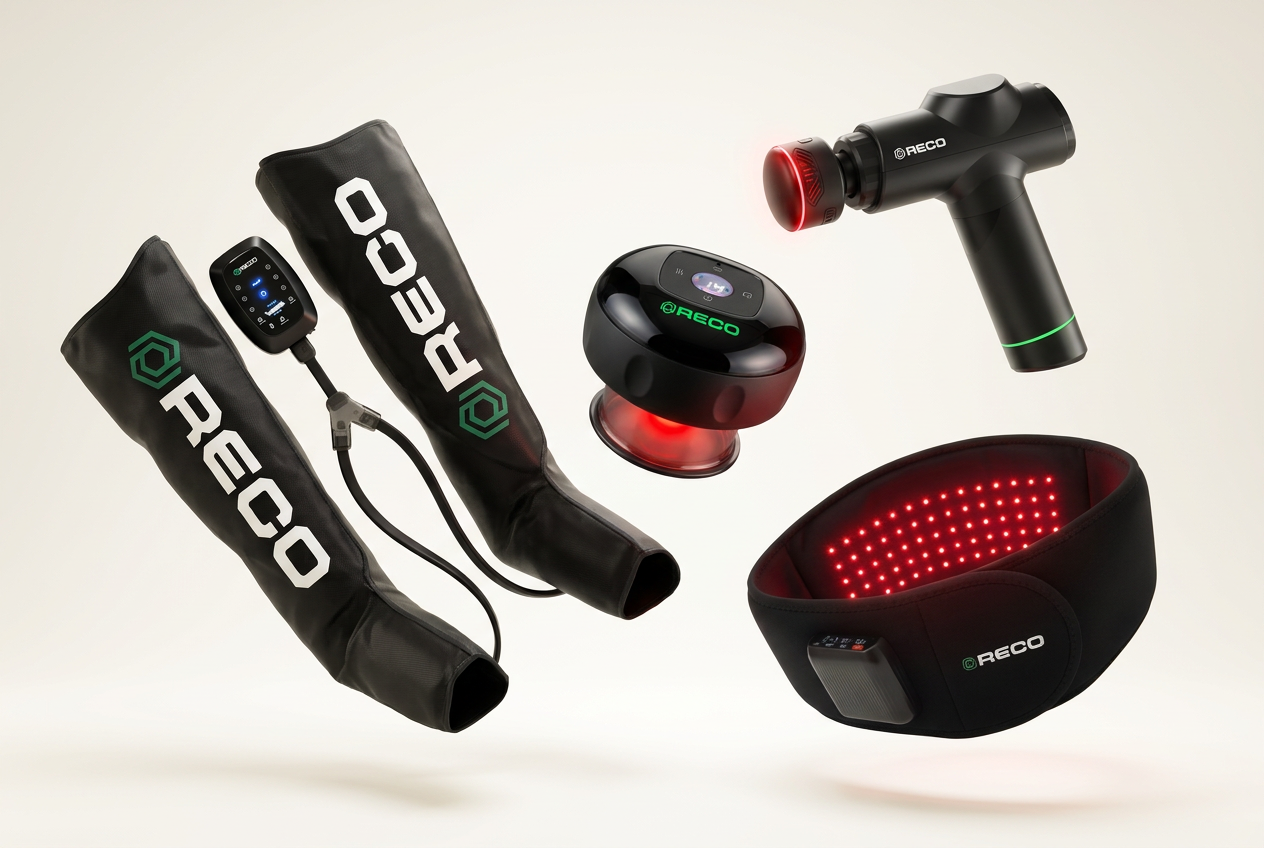
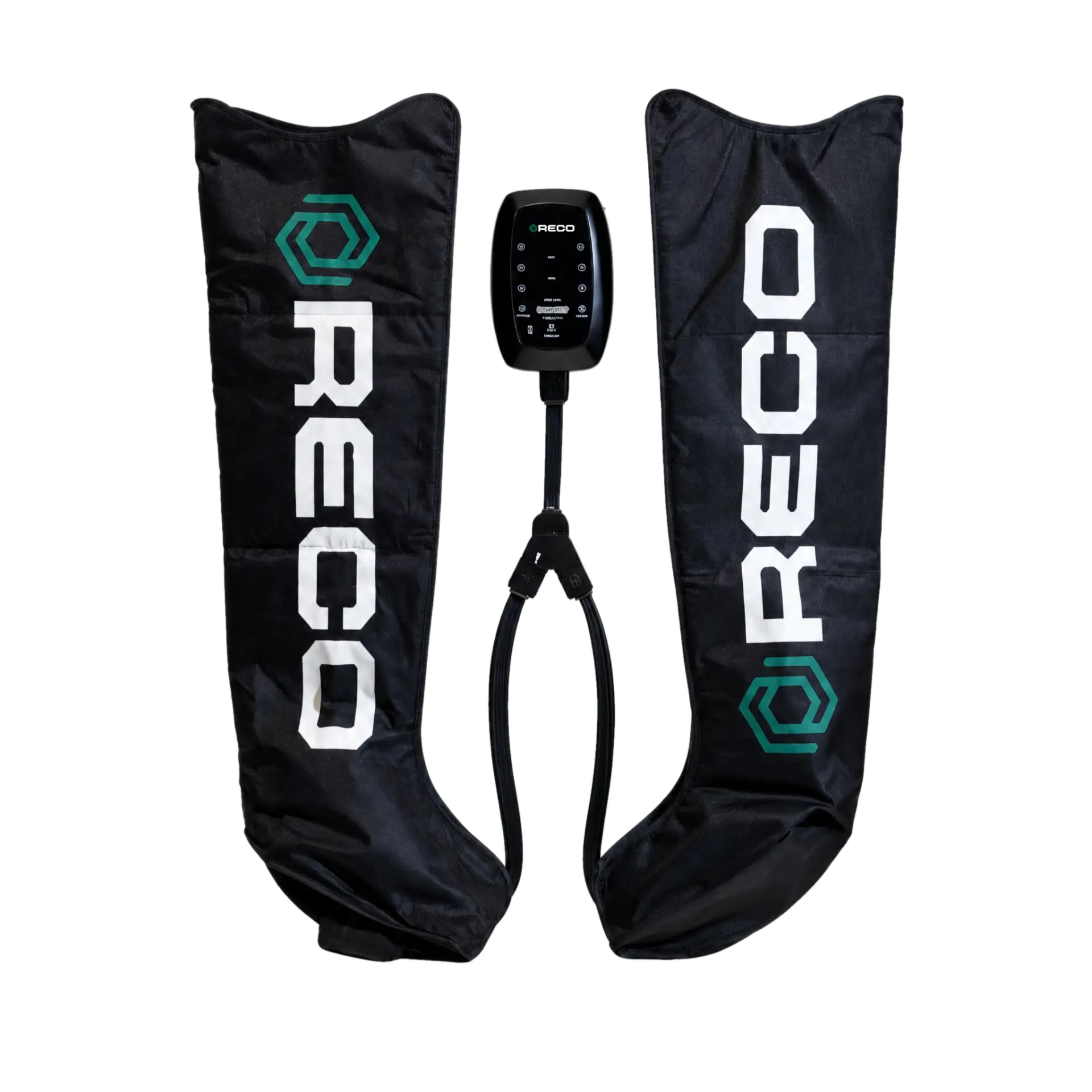
Six compression chambers, 30-260 mmHg of adjustable pressure and 6 massage modes — with every chamber independently controlled, so an injury or irritation won't keep you away from compression
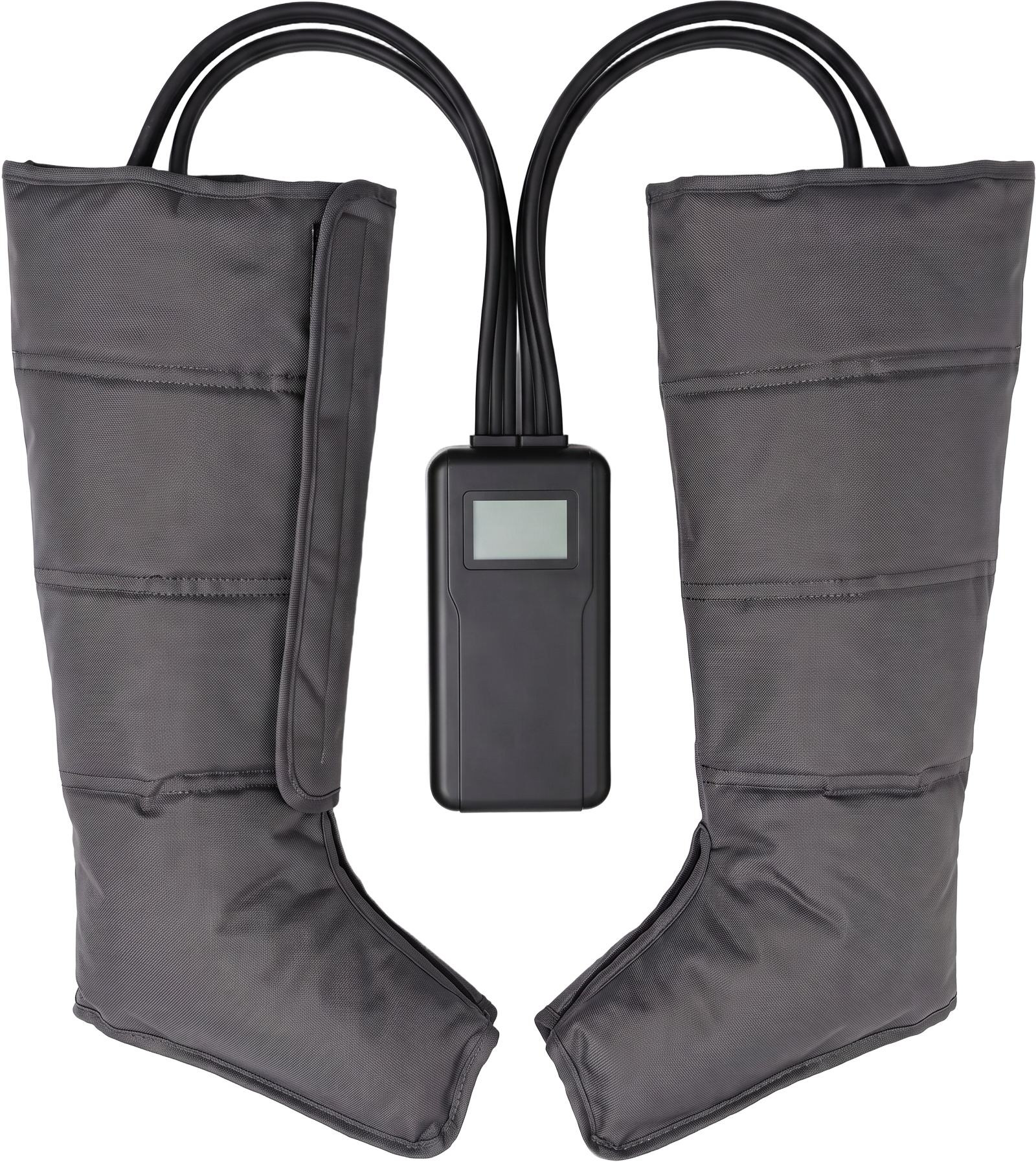
Leg Compression Sleeves
Free shipping
1-year warranty · 30-day returns · Ships in 3–5 business days
(211 reviews)
“The RECO leg compressions have been a big part of my recovery now as a former athlete living in NYC and someone who still enjoys high daily activity.”
“👍”
“Use them nightly. Always use them for an hour after a heavy leg day”
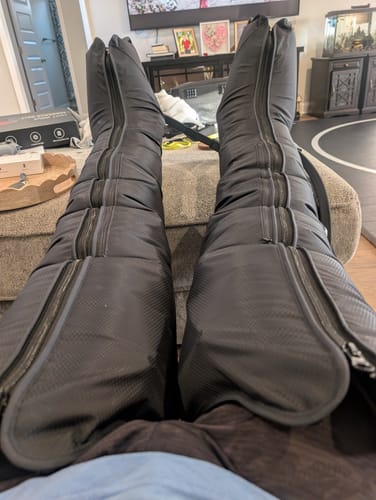
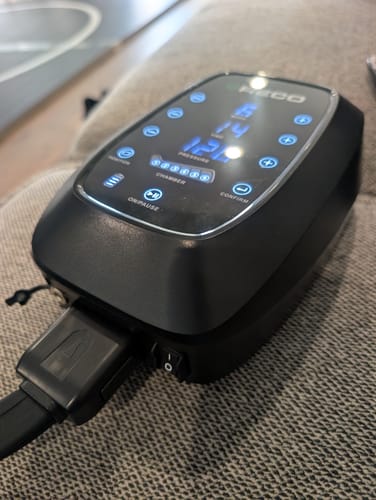
“Love these products so much! Our athletes use them all the time and love the results!”
“Awesome”
“This was the best purchase of my life, I use it everyday!!!!”
“I enjoy using them because of the quick results. This is the best tool for recovery.”
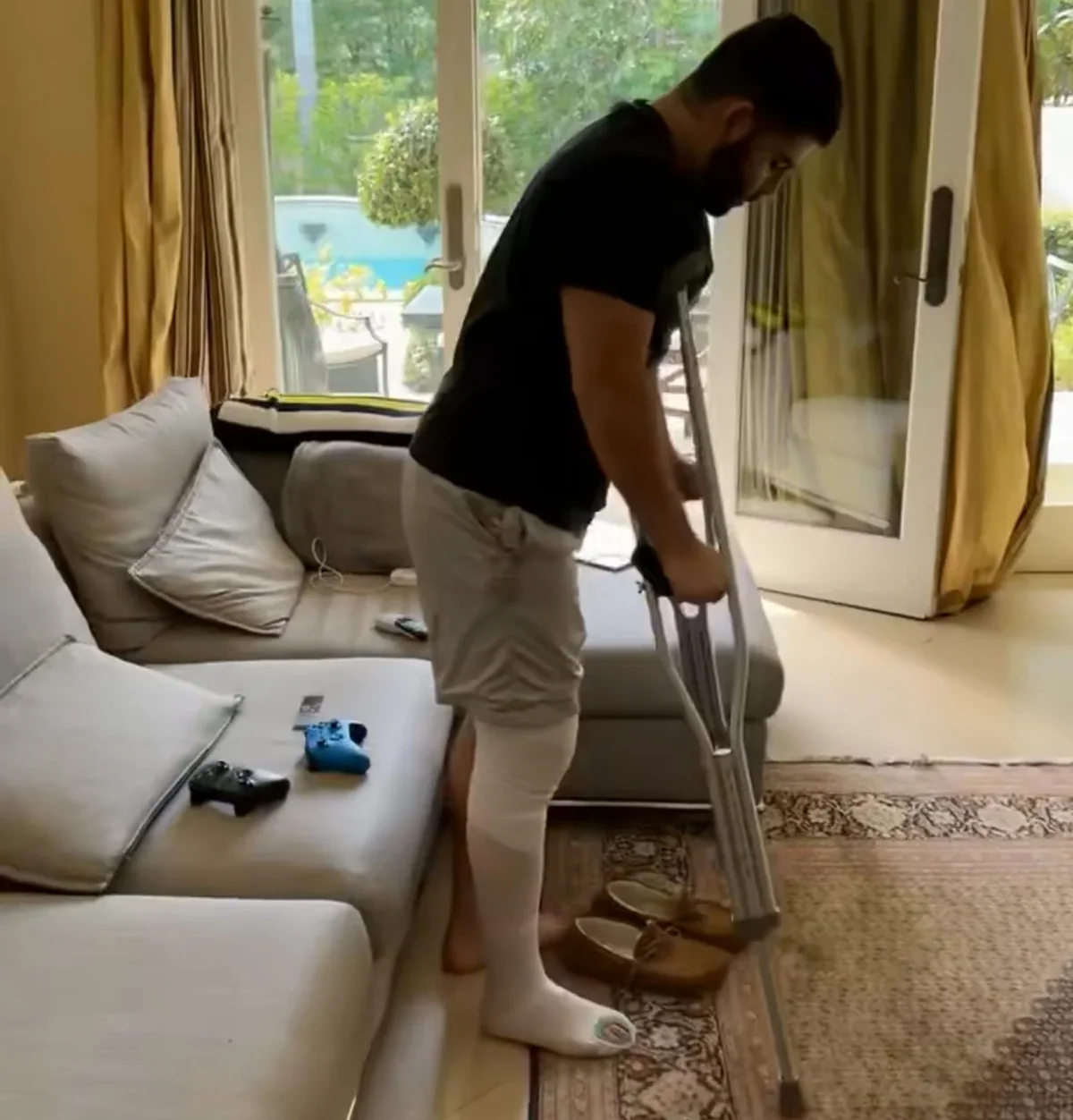
Co-founder Doron tore his ACL and found out fast: the recovery tools that actually work are priced for pro athletes and clinics, not for the person who actually needs them. In 2023, RECO was born to close that gap.